
In today’s fast-paced, technology-driven world, businesses no longer rely solely on traditional marketing methods like billboards, flyers, or TV commercials. The digital revolution has transformed how companies connect with their audiences, paving the way for digital marketing—a strategy that blends creativity, analytics, and technology to reach customers where they spend most of their time: online.
Whether you’re a startup founder, small business owner, or marketing professional, understanding digital marketing is essential for growth in today’s competitive landscape
.What Is Digital Marketing?
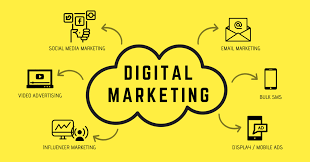
Digital marketing refers to all marketing efforts that use the internet or electronic devices to promote products or services. It encompasses a wide range of online tactics, including:
- Search Engine Optimization (SEO)
- Social Media Marketing (SMM)
- Content Marketing
- Email Marketing
- Pay-Per-Click Advertising (PPC)
- Affiliate Marketing
- Influencer Marketing
Why Digital Marketing Matters
Digital marketing isn’t just an option—it’s a necessity. Here’s why:
1. Global Reach
The internet has no geographical boundaries. Through digital platforms, even small businesses can reach global audiences, expanding their market potential beyond their local area.
2. Cost-Effective
Compared to print or TV advertising, digital campaigns are far more affordable. With tools like Google Ads or Facebook Ads, businesses can set budgets, monitor spending, and measure ROI with precision.
3. Measurable Results
Every click, view, or conversion can be tracked. Analytics platforms like Google Analytics, Meta Insights, or HubSpot allow marketers to understand what’s working and what’s not—helping them refine strategies for maximum impact.
4. Personalized Marketing
Digital marketing enables businesses to personalize customer experiences using data such as demographics, behavior, and preferences. For example, email automation tools can send customized offers based on previous purchases or browsing history.
5. Improved Engagement
Social media and interactive content (like polls, videos, and quizzes) create two-way communication between brands and consumers, building stronger relationships and brand loyalty.